Credentials & licensure
Mechatronics certifications & licensure, in two tiers
The mechatronics credential landscape splits cleanly by career track. Industry certifications (Siemens SMSCP, MSSC CPT, PMMI Mechatronics, ISCET CET) layer on top of an AAS for the technician path. Engineering licensure (NCEES FE → state PE) layers on top of an ABET-EAC bachelor's for the engineer path. This guide covers every credential that appears in US mechatronics job postings: fee, prerequisites, renewal cycle, what it actually gets you, and when in your career to stack it.
Last updated
Industry certs
5
Technician track
Licensure exams
2
FE → PE pathway
Cheapest credential
$75
ISCET CET base
Full PE stack cost
~$1.5K
FE + PE + state fees
Pick your path
Which credential should you target first?
If you have no manufacturing experience
Start with MSSC CPT-MT
$120, modular, broadly recognized, often state-grant-funded. Covers preventive maintenance, basic PLCs, and electrical/mechanical troubleshooting. Realistic launching point for a first manufacturing role.
CPT-MT details →If you're enrolled in an AAS in Mechatronics
Stack SMSCP Level 1 + MSSC CPT
Most AAS programs at Siemens CERT partner schools bundle SMSCP Level 1 into the curriculum. Add full MSSC CPT during your last semester. Graduate with two stackable credentials plus the degree.
SMSCP details →If you're an engineering BS student
Take the FE in senior year
The FE Mechanical or FE Electrical and Computer exam during senior year is the standard. Pass rates from EAC-accredited programs run 70%+. Earn Engineer-In-Training (EIT) status from your state board after passing.
FE Exam details →Technician tier · AAS-paired
Industry certifications
Vendor-administered or trade-association credentials. Earned through MSSC Assessment Centers, Siemens CERT partner schools, FANUC CERT partner schools, ISA-approved training providers, and state workforce-development boards. Most are funded by state WIOA grants, employer apprenticeships, or AAS program tuition rather than paid out-of-pocket.
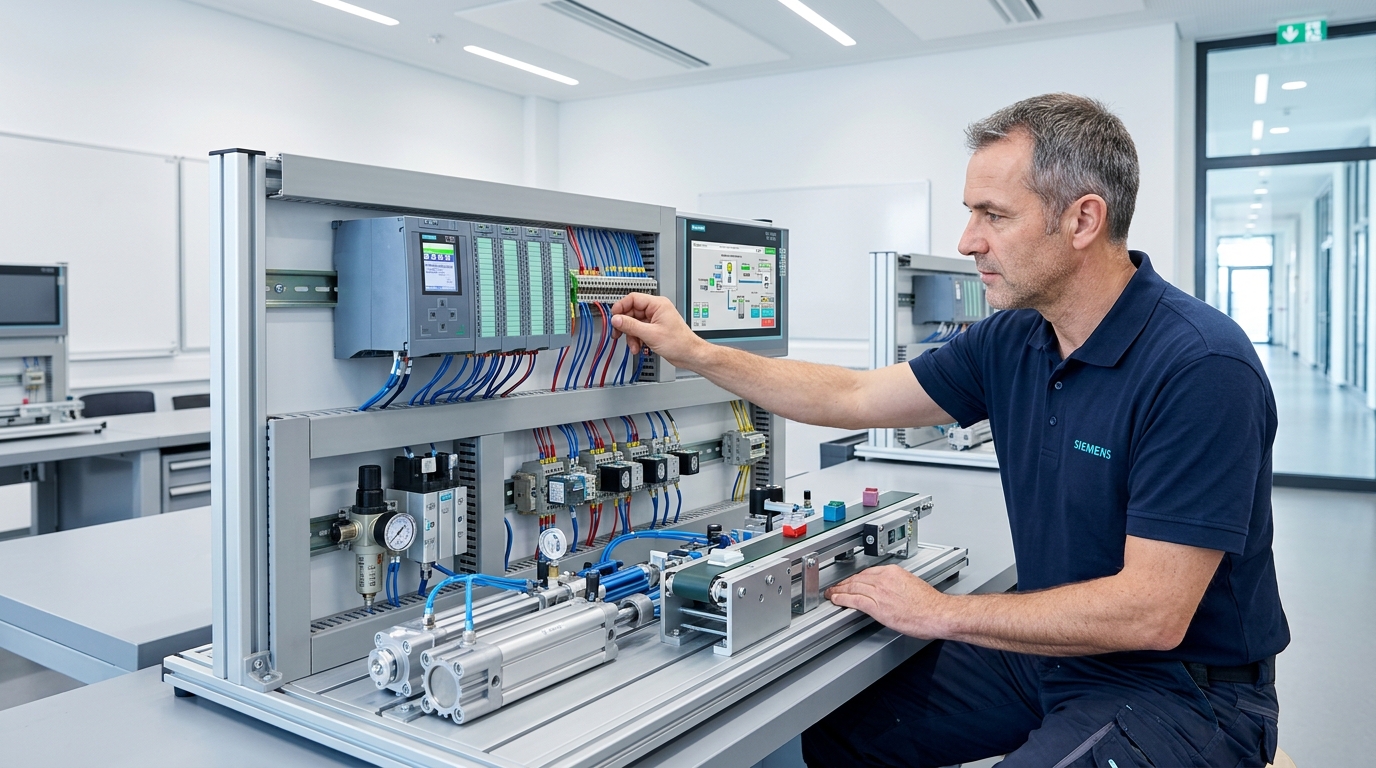
Siemens · $250
SMSCP
Siemens Mechatronic Systems Certification Program
Industry-recognized three-level certification (Assistant, Associate, Professional) administered through Siemens-partner schools. The most-cited mechatronics certification in the US manufacturing labor market.
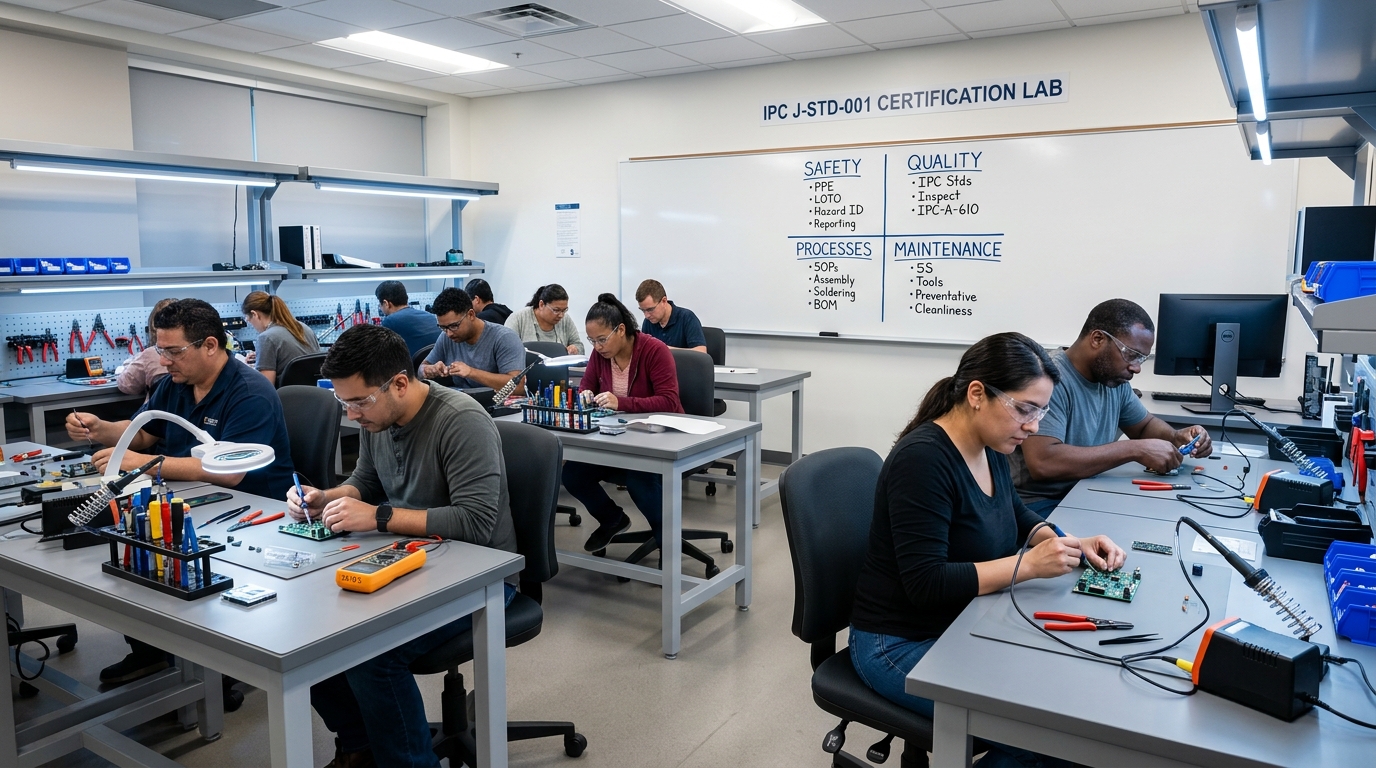
MSSC (Manufacturing Skill Standards Council) · $480
CPT
Certified Production Technician
Four-module modular cert (Safety, Quality Practices, Manufacturing Processes, Maintenance Awareness). DOL-recognized; appears on most US advanced-manufacturing apprenticeship pathways.
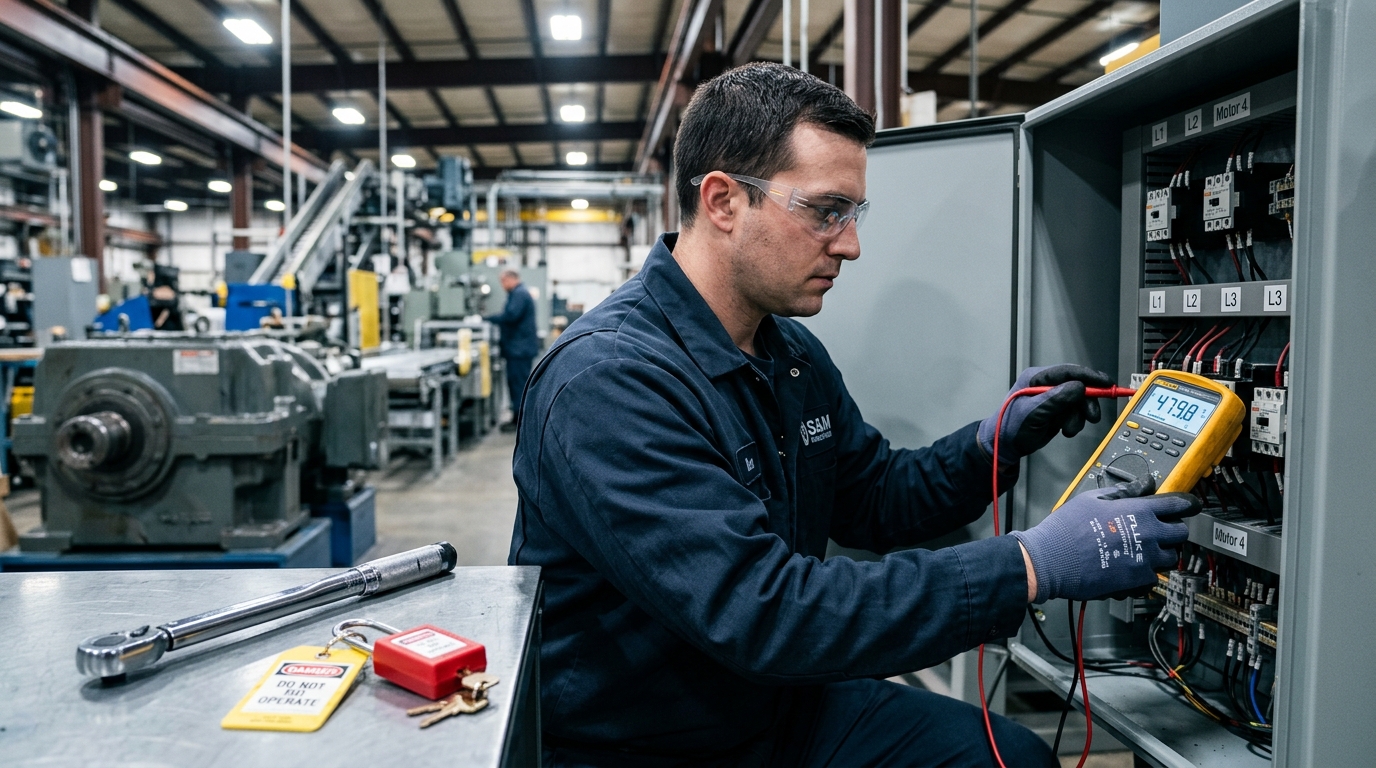
MSSC · $120
CPT-MT
Certified Technician — Maintenance Awareness (MSSC)
The maintenance module of the CPT credential, taken alone. Covers preventive maintenance, electrical and mechanical troubleshooting, and basic PLCs. Common entry credential for industrial maintenance and automation technician roles.

PMMI Foundation · $195
PMMI Mechatronics
PMMI Mechatronics Certificate
Packaging-and-processing-industry-specific mechatronics credential. Strong recognition among PMMI member employers (food, beverage, pharma packaging OEMs).
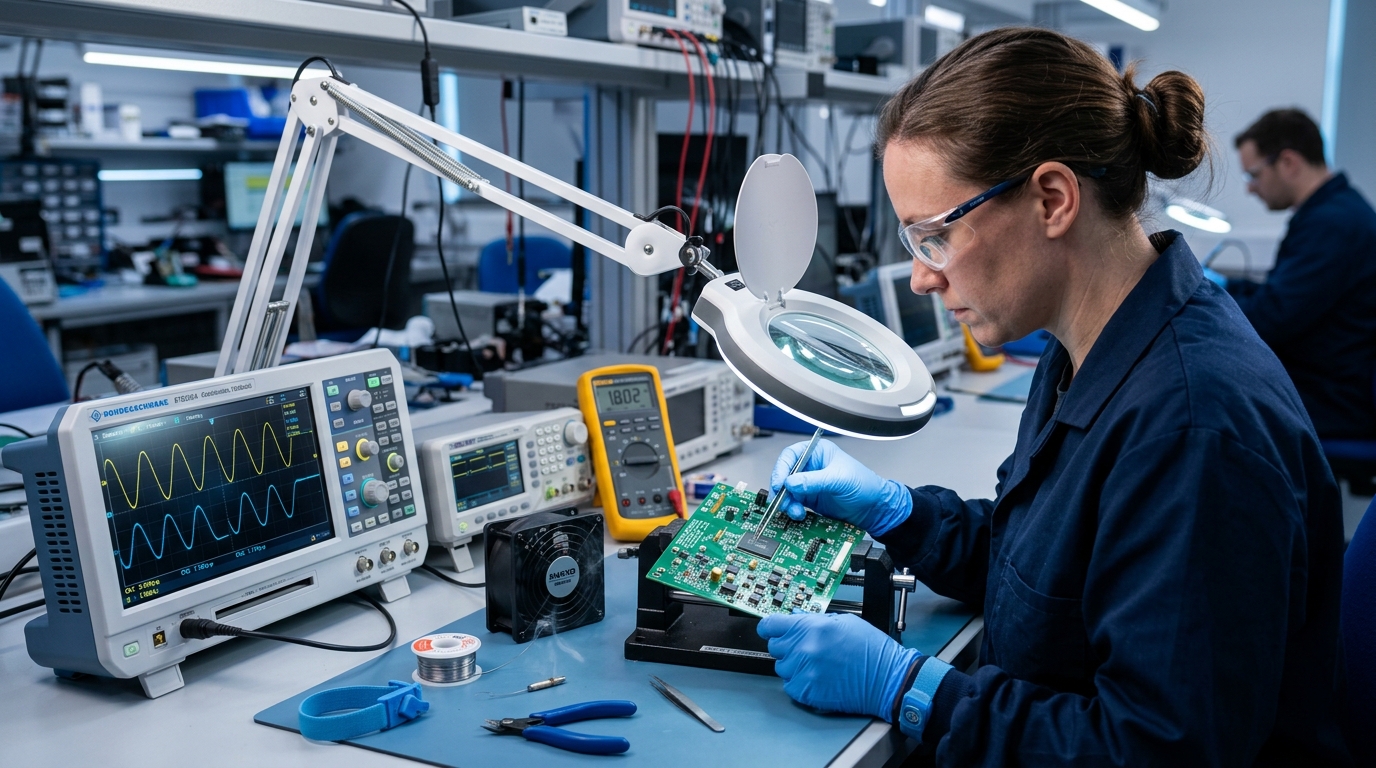
ISCET (International Society of Certified Electronics Technicians) · $75
CET
Certified Electronics Technician
Long-standing electronics technician credential. Associate-level (under 4 yrs experience) and Journeyman-level (4+ yrs) options. Useful for mechatronics techs who work heavily on the electronics side.
At a glance
Industry-certification comparison
| Credential | Issuer | Fee | Renewal | Best fit | Strongest in |
|---|---|---|---|---|---|
| SMSCP | Siemens | ~$250/level | None | AAS mechatronics | Manufacturing broad |
| MSSC CPT | MSSC | $120/module · $480 full | None | Entry-level workers | All US manufacturing |
| MSSC CPT-MT | MSSC | $120 | None | Career changers | Maintenance / industrial |
| PMMI Mechatronics | PMMI | ~$195 | None | Packaging line techs | Food, bev, pharma packaging |
| ISCET CET | ISCET | $75 (Assoc) | 4 yrs | Electronics-bench depth | Industrial electronics |
Fees are typical ranges; vary by school and region. Funding sources: state WIOA grants, employer apprenticeship sponsorship, or AAS program tuition. Sources: MSSC, Siemens SMSCP, PMMI Foundation, ISCET.
Engineer tier · BS-paired
Engineering licensure
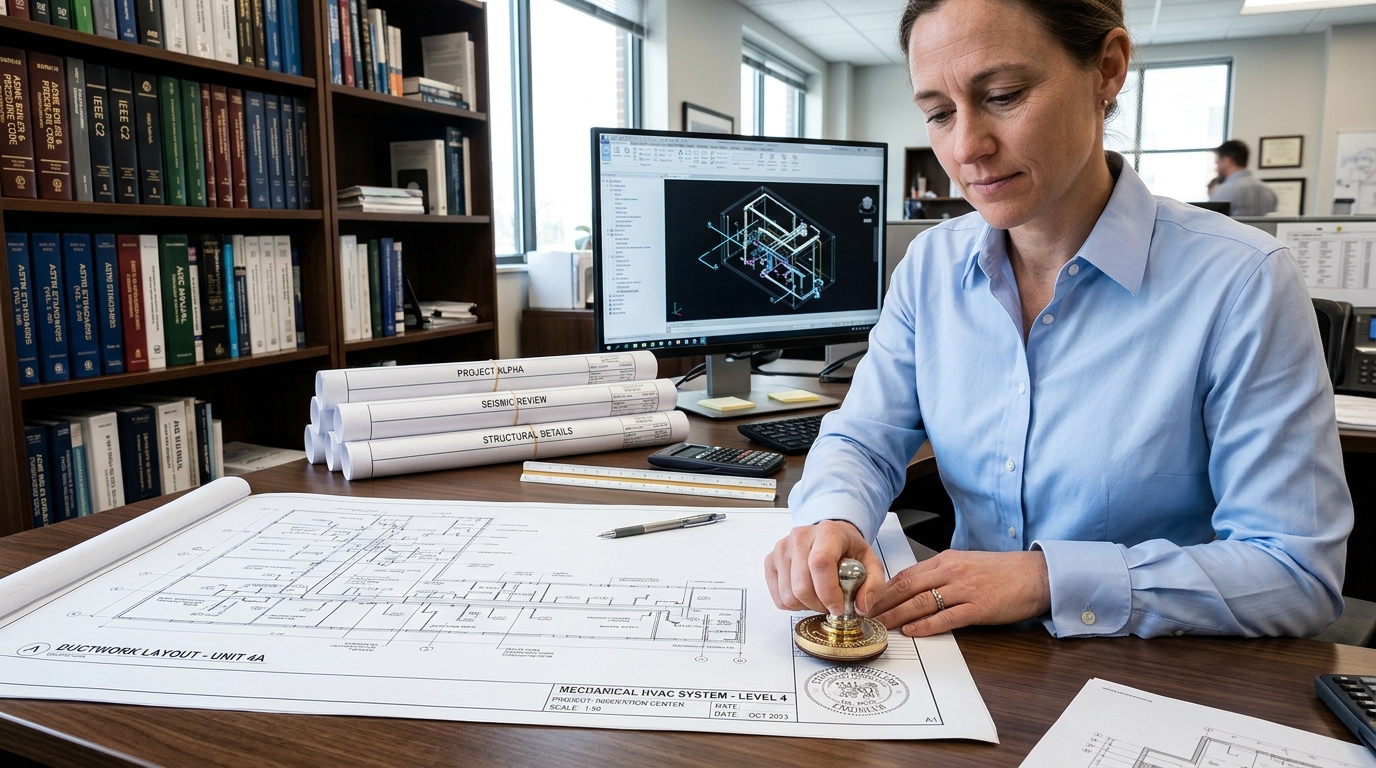
The Professional Engineer (PE) license is the only legally recognized engineering credential ladder in the United States. It is granted state-by-state under standardized NCEES exams. The pathway is FE (Fundamentals of Engineering) → 4 years qualifying experience under a licensed PE → state-board PE exam. Required for engineers who sign and seal engineering drawings — most public-sector, consulting, and infrastructure work. The industrial exemption in most state codes makes the PE optional for in-house manufacturer engineers.

NCEES · $175
FE — Fundamentals of Engineering Exam
First step toward Professional Engineer (PE) licensure. Six-hour computer-based exam taken in the senior year of an EAC-accredited engineering BS. Required to become an Engineer-In-Training (EIT).
NCEES / State licensing boards · $375
PE — Professional Engineer (PE) Licensure
Engineering licensure granted by each state's board after passing the FE, completing roughly four years of qualifying experience under a licensed PE, and passing the discipline-specific PE exam (most mechatronics engineers sit the Mechanical, Electrical, or Control Systems exam).
Timeline
The FE-to-PE pathway in years
| Year | Milestone | What it gets you |
|---|---|---|
| 0 | Enroll in ABET-EAC engineering BS | Eligibility prerequisite for FE/PE pathway |
| 4 | Pass FE Mechanical or FE Electrical & Computer | Engineer-in-Training (EIT) status |
| 4-8 | Accumulate 4 years of qualifying engineering experience under a licensed PE | PE exam eligibility |
| 8 | Submit state board application | Approval to sit PE exam |
| 8-9 | Pass PE exam in chosen discipline (Mechanical / Electrical / Control Systems) | State PE license issued |
| ~every 2 yrs | Maintain CE (continuing education) credits per state | License renewal |
Source: NCEES (National Council of Examiners for Engineering and Surveying) state-by-state requirements matrix.
Stack strategy
How to combine credentials over a career
For the technician path (AAS-entry)
The high-leverage stacking order for a US mechatronics technician:
- Year 0: MSSC CPT-MT while enrolling in AAS (or in workforce-development program). $120, fast credential.
- Year 1-2: Siemens SMSCP Level 1 through AAS-program partnership. Earn during coursework.
- Year 2: Full MSSC CPT (all four modules) plus OSHA 10-hour General Industry. AAS graduation around this point.
- Year 3-4: SMSCP Level 2, plus a vertical-specific credential (PMMI Mechatronics for packaging, FANUC NOCTI FCR-O1 for robotics, Rockwell ControlLogix fundamentals for Rockwell-heavy plants).
- Year 5+: SMSCP Level 3, vendor-specific advanced credentials, optional ISA CCST Level I or II for senior technician/specialist roles.
By year 5 the typical stack is: AAS degree + SMSCP Level 2 or 3 + full CPT + one vertical credential. That stack carries pay into the 75th-percentile band of SOC 17-3024 per BLS OEWS May 2024.
For the engineer path (BS-entry)
The standard credential ladder for an ABET-EAC mechatronics or related engineering bachelor's graduate:
- Year 4 (senior year): FE Mechanical or FE Electrical and Computer exam. Most candidates spend 80-120 hours of dedicated review.
- Years 4-8: Accumulate qualifying engineering experience under a licensed PE. Document specific projects and responsibilities.
- Year 8-9: Apply to state board, take and pass the PE exam in your chosen discipline (Control Systems is the closest match for mechatronics-leaning work).
- Optional add-ons during career: ISA Certified Automation Professional (CAP) for senior automation/controls engineers. Project Management Professional (PMP) if moving toward engineering management.
Many engineering-track mechatronics graduates never pursue PE licensure because the industrial exemption in most state codes makes it optional for in-house private-industry roles. If your career direction is toward consulting, public-sector work, or engineering management at firms that bill professionally stamped work, the PE is worth pursuing.
Frequently asked questions
Which mechatronics certification is most recognized by employers?
Do I need an industry certification AND engineering licensure?
Are mechatronics certifications worth the cost?
Can I take the FE exam if my degree is engineering technology (ABET-ETAC), not engineering (ABET-EAC)?
How long does it take to stack a competitive credential set?
Are there mechatronics certifications I should avoid?
Does an ISA certification replace the PE?
Which credential should I get first if I have no manufacturing experience?
References
Sources & further reading
- BLS Occupational Outlook Handbook — Electro-Mechanical and Mechatronics Technologists (SOC 17-3024). May 2024 OEWS release.
- MSSC (Manufacturing Skill Standards Council). CPT credential structure and assessment-center directory.
- Siemens Mechatronic Systems Certification Program. SMSCP three-level structure.
- PMMI Foundation — Mechatronics Certificate.
- ISCET (International Society of Certified Electronics Technicians). CET certification.
- NCEES (National Council of Examiners for Engineering and Surveying). FE and PE exam administration plus state-by-state requirements matrix.
- ISA (International Society of Automation). CCST and CAP certification frameworks.
- FANUC NOCTI Robotics Certifications.
- US Department of Labor Apprenticeship.gov. Registered apprenticeship framework that recognizes MSSC CPT.
- ABET Accredited Programs Search. EAC vs ETAC accredited program directory.