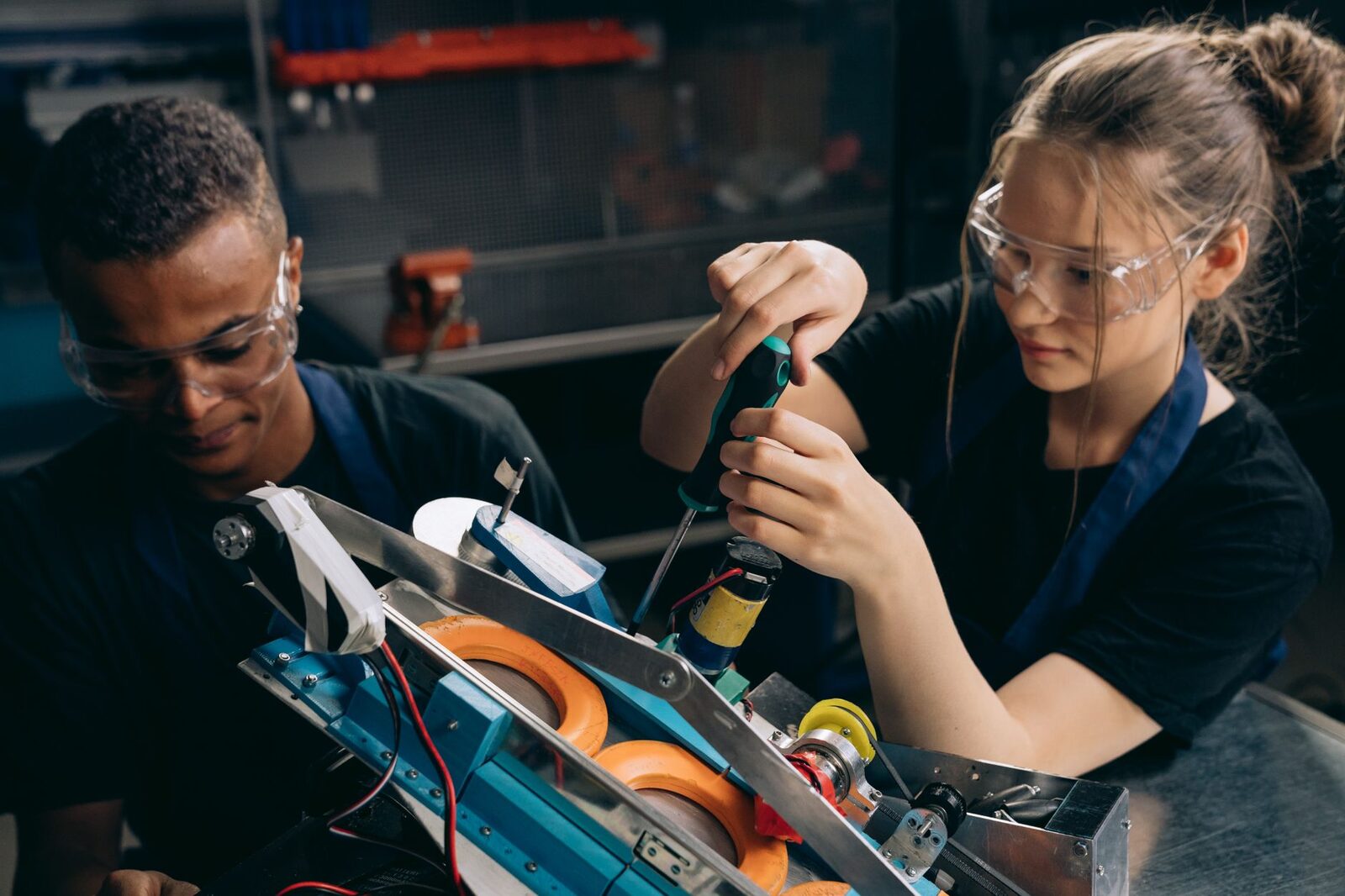
How We Ranked Robotics Technician Training Programs
We reviewed each college's official catalog or program page on October 2, 2026. A program is included if it is a certificate or associate credential, its title or published curriculum centers on robotics, and the college documents a pathway such as stackable credits, a transfer agreement, partner-aligned coursework, or its own placement statement. Programs not currently accepting new students were left out. The order of the list is computed from the site's seven-factor score (accreditation, program leadership, pathways, delivery, employer signal, cost, and reputation) using the same formula as every other ranking here, with no hand adjustment. Program notes describe fit and are not placement guarantees. Read the linked catalog for prerequisites, schedules, and current costs before applying.
Read our program comparison methodology for sourcing and editorial standards.
Robotics Technician Training Programs Compared
| College | Credential | What the Program Emphasizes |
|---|---|---|
| Vincennes University | Associate degree | Advanced manufacturing automation across many industries |
| Truckee Meadows Community College | 60-unit AAS | Industrial Robotics I, Advanced Manufacturing and Robotic Systems, PLCs, IIoT |
| Waukesha County Technical College | 60-credit AAS | Robotics and programmable logic controllers on automated production lines |
| Front Range Community College | 19-credit certificate | PLCs, process control, introductory and applied robotics, lean manufacturing |
| Lakes Region Community College | 63-credit AS | Fabrication, electronics, programming, and Industrial Robotics and Automation |
| Arapahoe Community College | AAS | Troubleshooting and repair in a 6,000-square-foot robotics lab |
| Manchester Community College | 27-credit certificate | Print reading, motor controls and PLCs, Robotic Processes, Robotic Design |
| County College of Morris | Certificate of Achievement | Automated systems, robotics, and control technology with an electronics base |
Automation Program With Broad Industry Reach
1. Vincennes University
AS in Advanced Manufacturing Robotics and Mechatronics
- Associate Degree
- Career and Tech Track
- Vincennes, IN
- Program Score 74 of 100
Vincennes University renamed this program from Computer Integrated Manufacturing Technology, Robotics, and describes it as among its strongest for graduate placement and starting pay. Its pitch to students is range: automation work appears in automotive, food, pharmaceuticals, packaging, and energy. Those are the school's own statements, so ask admissions for current placement figures.
Who Should Consider This Program?
Good if you want a degree that keeps your employer options open across several manufacturing sectors.
What Should You Check Before Applying?
Request the current course list and ask how much of it is robot programming versus general automation.
Read Vincennes University’s AS in Advanced Manufacturing Robotics and Mechatronics Details →Robot Courses Plus Industrial Networking
2. Truckee Meadows Community College
AAS in Automation and Robotics, Manufacturing Technologies
- 60 Units
- Four Semesters
- Reno, NV
- Program Score 73 of 100
Two named robotics courses, Industrial Robotics I and Advanced Manufacturing and Robotic Systems, sit beside Programmable Logic Controllers I and an introduction to industrial internet of things, networking, and data analytics. That mix helps if you expect to troubleshoot robot cells that report data over a network. The recommended plan runs four semesters across 60 units.
Who Should Consider This Program?
A strong match if you want robot skills and the networking side of a modern automated plant in one associate degree.
What Should You Check Before Applying?
TMCC describes AAS degrees as designed to enter the workforce rather than transfer, so ask about bachelor's options before you commit.
Read Truckee Meadows Community College’s AAS in Automation and Robotics, Manufacturing Technologies Details →Daytime Associate Degree With Fall and Spring Starts
3. Waukesha County Technical College
AAS in Robotics and Automation Engineering Technology
- 60 Credits
- About 2 Years
- Pewaukee, WI
- Program Score 67 of 100
Waukesha County Technical College puts robots and programmable logic controllers in one 60-credit plan, so you learn to program the machine and the controller that sequences it. The college lists automation systems technician, field service technician, and industrial controls technician among potential careers. Classes meet on campus during the day, and new students start in August or January.
Who Should Consider This Program?
Choose this if you want a full associate degree and can attend daytime classes in southeastern Wisconsin.
What Should You Check Before Applying?
The program cannot be started in summer, and applications close ahead of each term, so confirm the current deadline with admissions.
Read Waukesha County Technical College’s AAS in Robotics and Automation Engineering Technology Details →Final Stackable Certificate After Industrial Maintenance
4. Front Range Community College
Robotics and Automation Technology Certificate
- 19 Credits
- Fall Cohort
- Longmont, CO
- Program Score 67 of 100
This 19-credit certificate is the last of three stackable certificates, so it fits someone already trained in industrial maintenance who now wants to add robots. Coursework covers programmable logic controllers, instrument and process control, introductory robotics, robotics technologies, and lean manufacturing. FRCC says it prepares students for entry-level robotics and automation technician roles.
Who Should Consider This Program?
Best for a working maintenance technician or a recent maintenance certificate holder adding a robotics credential.
What Should You Check Before Applying?
You cannot begin until you have mastered the competencies in the 28-credit Industrial Maintenance Certificate, and the cohort starts in the fall.
Read Front Range Community College’s Robotics and Automation Technology Certificate Details →Build Robots, Then Transfer Toward a Bachelor's
5. Lakes Region Community College
AS in Industrial Automation and Robotics
- 63 Credits
- About 2 Years
- Laconia, NH
- Program Score 67 of 100
Over two years students build robots, then study how to maintain and repair them, with an Industrial Robotics and Automation course and a microcontrollers course that includes PLCs. The degree totals 63 credits. Lakes Region says all of its courses transfer into Plymouth State University's bachelor's program in Robotics and Automation, so a technician start does not close the engineer door.
Who Should Consider This Program?
Consider it if you want technician skills first and a documented route to a four-year robotics degree.
What Should You Check Before Applying?
The plan is heavy on programming and math (it includes calculus), so check that the course load matches your preparation.
Read Lakes Region Community College’s AS in Industrial Automation and Robotics Details →Large Lab and Packaging Industry Curriculum
6. Arapahoe Community College
AAS in Robotics and Automation Technology
- AAS Degree
- PMMI-Aligned
- Lone Tree, CO
- Program Score 66 of 100
The lab is the draw: a 6,000-square-foot space at the Legacy Campus in Lone Tree, outfitted with more than $2 million of equipment, where students practice troubleshooting and repairing robots. The curriculum is built with the Packaging Machinery Manufacturing Institute to prepare students for PMMI certification, which points toward packaging and automated production employers around the Denver area.
Who Should Consider This Program?
Pick it if you learn best by working on real equipment and want a curriculum tied to packaging machinery.
What Should You Check Before Applying?
The campus is in Lone Tree, so check the commute and the class schedule for the term you want.
Read Arapahoe Community College’s AAS in Robotics and Automation Technology Details →Two-Semester Robotics Credential
7. Manchester Community College
Robotics Certificate
- 27 Credits
- Two Semesters
- Manchester, NH
- Program Score 66 of 100
In 27 credits across two semesters you move from print reading and electrical fundamentals to motor controls and PLCs, then to Robotic Processes and Robotic Design. Manchester describes the certificate as a building block toward its associate degree in Advanced Manufacturing Technology. It suits a student who wants a first robotics credential in about a year.
Who Should Consider This Program?
Look here if you need a short, structured robotics credential in New Hampshire that can grow into a degree.
What Should You Check Before Applying?
Ask how the certificate credits apply to the associate degree before you register, since catalogs change by year.
Read Manchester Community College’s Robotics Certificate Details →Electronics-First Certificate That Stacks Into a Degree
8. County College of Morris
Automation, Robotics, and Control Certificate
- Three Semesters
- Stackable
- Randolph, NJ
- Program Score 65 of 100
Electronics comes first here. The certificate builds a foundation in automated systems, robotics, and control technology, and it can be finished in three semesters. County College of Morris says the courses transfer fully into its associate degree in Electronics Engineering Technology. It works as a short credential now with the option to keep going later without repeating classes.
Who Should Consider This Program?
A good fit if you want a quick, lower-commitment start and a ready path into a two-year degree.
What Should You Check Before Applying?
The program is framed around electronics and control, so confirm how much hands-on robot programming the lab hours include.
Read County College of Morris’s Automation, Robotics, and Control Certificate Details →What Does a Robotics Technician Do?
A robotics technician keeps automated equipment running. You set up robot arms and cells, teach them new tasks, calibrate sensors, read fault codes, and replace worn parts when a line stops. Much of the work happens beside a programmable logic controller (PLC), so most programs teach robots and controllers together.
The Bureau of Labor Statistics reports wages for these jobs mainly under electro-mechanical and mechatronics technologists and technicians, with a national median of $73,900 a year (May 2025). See the robotics technician career profile and the automation technician profile for duties and pay ranges.
Should You Start With a Certificate or an Associate Degree?
A certificate is the faster, lower-cost start, and several programs above stack into a degree later. An associate degree takes about two years and adds electronics, mathematics, and general education that employers and four-year colleges look for.
Compare the options in our mechatronics certificate rankings and associate degree rankings, or read certificate vs associate degree to see how the credit paths connect.
What Should You Ask Before You Enroll?
Use these questions with admissions or a program advisor to compare programs fairly:
- Which robot brands and controllers are in the lab you will actually use?
- Do certificate credits transfer into the associate degree, in writing?
- Is there a prerequisite certificate, a fixed cohort start, or a daytime-only schedule?
- Does the program help you find an internship, co-op, or apprenticeship with local employers?
- New to the field? Start with what mechatronics is and the technician career guide.
Questions About Robotics Technician Training
How Long Does Robotics Technician Training Take?
Certificates on this list run from about two semesters to three semesters. Associate degrees take about two years of full-time study. Your pace depends on whether the program has a fixed start date and whether you attend full or part time.
Do You Need a Degree to Become a Robotics Technician?
Not always. Many technicians enter with a certificate or an associate degree, and some learn through an apprenticeship. A degree can widen your options and ease a later transfer to a bachelor's program.
Is Robotics Technician Training the Same as Mechatronics?
They overlap heavily. Mechatronics covers mechanical, electrical, and control systems broadly, while robotics training focuses on robots and the controllers that run them. Several programs here carry both names.
Can You Study Robotics Technology Online?
The programs on this list teach robotics in college labs, so most coursework is on campus. For distance options, see the online mechatronics program rankings on this site and confirm how lab work is handled.
How Do I Choose Between These Programs?
Match the program to your starting point. If you already work in maintenance, a stackable certificate may be enough. If you are starting fresh, a two-year degree adds electrical and mathematics foundations. Check location, schedule, and what the lab equipment includes.
Official Sources and Review Date
Program and policy sources checked October 2, 2026.
- Waukesha County Technical College: Robotics and Automation Engineering Technology
- Truckee Meadows Community College: Automation and Robotics AAS
- Front Range Community College: Robotics and Automation Technology Certificate
- Lakes Region Community College: Industrial Automation and Robotics
- County College of Morris: Automation, Robotics, and Control
- Arapahoe Community College: Robotics and Automation Technology
- Manchester Community College: Robotics Certificate
- Vincennes University: Advanced Manufacturing Robotics and Mechatronics
- U.S. Bureau of Labor Statistics: Occupational Employment and Wage Statistics